

Chances are, if you have read at least one of our blogs, you have seen the phrase: “Remember, Safety through Education is more than our motto, it is our guiding principle.”
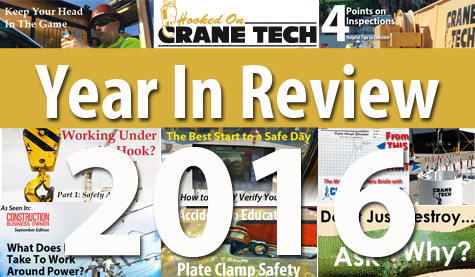
It is with this phrase in mind that we wanted to take the opportunity to review some of our most popular topics from the past year. In 2016 alone there were over 45 educational posts sent out via the Weekly Tagline e-newsletter. These articles are shared so they can be used as topics for tailgate safety meetings or to expand your personal knowledge base.
Why do we do this? We want to share our skills and expertise so that employees can work safely and with reliability. And, when it’s time to select a training provider, we hope you give us a call or request a quote.
Now without further introduction here are some highlights of 2016:
January
Avoiding Outrigger Failure: Setting Up for Success
Why following the manufacturer’s instructions for setting outriggers can make the difference between a safe lift and a sideways lift.
February
Removing and Destroying Rigging Gear from Service
What do you do with rigging gear that has been removed from service? Take a closer look at some good policies for not only removing rigging gear but making sure it gets destroyed as well.
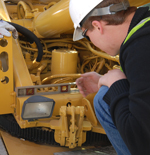 Leveling the Field – Achieving 1%
OSHA and ASME both state that a crane must be level to within 1-percent of level grade. But, what does this mean and how do you accomplish this?
Are Your Riggers Qualified?
How to find and assign experienced team members to ensure your lifts remain safe in this Guest Blog from Construction Business Owner Magazine.
Can You Spot What’s Missing?
What we found missing may surprise you. Check out this sling tag issue and see if you can spot what is missing.
March
It’s New, What Could Be Wrong?
Every rigger loves new slings and gear, after all who doesn’t love new stuff? But just because it’s new, doesn’t mean it is without issue. Learn how an initial rigging inspection program can make a big difference in the safety of your lifts.
Qualified vs. Certified
Find out about the differences between Qualified vs. Certified and what you need to do to reach compliance in this Guest Blog from Construction Business Owner Magazine.
Don’t Just Destroy…Ask Why?
Let’s face it, rigging gear doesn’t have an unlimited life. How can stopping to ask “Why” after identifying damaged rigging gear can create a safer workplace.
April
What is Your First Line of Defense?
Does your company say safety first? Then pre-use inspection should be in your defensive lineup. Check out how why this is important for the safety of your operations.
 Rule of Thumb for Outrigger Support
There is no safe rule of thumb when it comes to cribbing/outrigger pad size. Instead we challenge you to keep your lifts safe with an easy calculation to determine proper cribbing.
How is Your Crane Like Your Car?
You wouldn’t dream of going on a road trip without getting your car checked out first by a trusted mechanic. Then why would you consider less than the best for your crane inspections?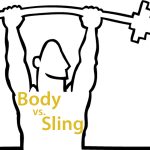
May
What Do Your Body and A Sling Have In Common?
Our bodies are not like slings, we feel it if we push it to the max, so doesn’t it stand to reason that slings would be the same?
Accident to Education: Plate Clamp Safety
Check out how we took this accident and created an educational opportunity along with 15 Tips to keep your plate clamp lifts safe.
June
The Best Start to a Safe Day – LMI Verification
How Do You Verify the LMI? These step-by-step instructions will help you check the accuracy of the LMI so the day can be started safely.
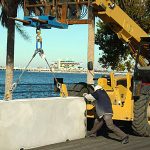 How Safe Are Your Forklift Operations?
Forklift safety is a constant battle that requires keen awareness and focused attention to keep operators, workers, equipment and the public safe. Check out this Q&A on environment to help maintain safe operations.
What Does Your Cab Say Series (Part 1, Part 2, Part 3)
From the unkempt bio-hazard to the spic and span-you name it, we’ve seen it. The cab is arguably the operator’s office, but what does the condition of a cab say about an operator? Check out this 3-part series on:
- Cleanliness
- Windows, doors, Mirrors and Cameras
- Ladders, Seats, and Accessories
July
Keeping Your Head in the Game – Cell Phones
While cell phones can be a very useful tool, in this post we discuss how cell phones can distract operators, what OSHA says about it, and how others on the site should approach cell phones as well.
Put Your Junk in the Trunk – Emotional Distractions
Distractions are everywhere but due to the nature of a crane operator’s job functions they need to keep their head in the game at all times. Those caused by emotions and personal issues are difficult to recognize, but how they are handled can make a big difference on the safety of the site.
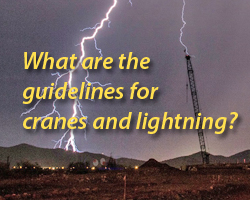 When the Thunder Rolls and Lightning Strikes
Cranes and lightning – what to do when weather impacts your operations. In this post we look at what to do to protect operations, when to stop operations, and when it is safe to resume operations.
August
OSHA Significantly Increases Fines
OSHA Increase Fines by 78% – How can you avoid this? In this non-technical post we discuss the impact non-compliance may have on your operations.
Working Under the Hook? Series (Part 1, Part 2, Part 3)
How do you work under the hook? In this series we discussed:
- Safety When Working Around Cranes and Suspended Loads
- Safety Around Assembly/Disassembly
- Safety Around Different Crane Types
September
Why Is Initial Rigging Inspection Important?
Of course we know that rigging inspection is important to safe lifting, but why is initial inspection a key to success for your lifting operations?
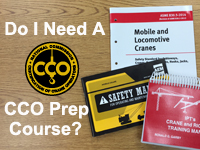 Do I Need A CCO Prep Course?
NCCCO Certification is a complex process. Know what it takes to pass the exams is key. Are you ready? Find out more in this article.
October
To Tag Line or Not To Tag Line Series (Part 1, Part 2, Part 3)
In this Q&A Series on Tag Lines we reviewed:
- Basics and Best Practices
- Knowledge of the Handler
- Tips for Success
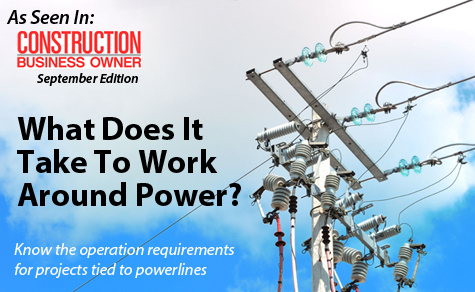 How Do You Work Around Power Lines?
As published in Construction Business Owner magazine, we elaborate on the two parts of safety for working around power lines according to OSHA.
4 Points on Inspections
In this post, we delved into the question, “Is it required to have a third-party perform OSHA inspections on cranes?”
November
Accident to Education: Small Loads Can Cause Tipping
Why did this crane tip even though it only lifted a small load? Check out this article along with 8 points to keep your lifts stable.
When A Simple Repair Turns Costly
When an outrigger jack was repaired by the maintenance crew, they actually caused more damage than good. Read this story and find 5 tips to keep this from happening in your operations.
December
When Do You Need A Lift Plan?
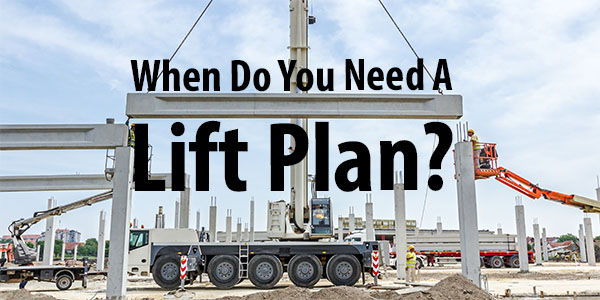 How do you determine when a lift is “more complex” if you don’t take the time to outline a basic lift plan in the first place? In this post, we recommend when a lift plan is needed and what should be included on that written plan.
Want to See ALL the Posts?
Many of the other posts from 2016 were focused on the happenings at Crane Tech, such as Where in the World is Crane Tech or Crane Tech Wins Gold. If you want to see ALL the posts going back into 2015, check out the Hooked On Crane Tech Archive with 3 pages of articles for your enjoyment.
Let us know how we can help make your material handling operations as safe as possible. Need training, inspection or consulting services? Give us a call or request a quote. Have a question or a comment for us to address in 2017? Comment below or email us. And remember, Safety through Education is more than just our motto, it is our guiding principle.
Have a Merry Christmas and a Happy New Year!