Every rigger loves new slings and gear, after all who doesn’t love new stuff? But just because it’s new, doesn’t mean it is without issue. Sure, we’d like to assume that new slings and hardware are perfect and match what was ordered, but if you don’t take the time to check it out how can you be sure? In the words of the 2015 Top Professional Trainer, Jeff Ellis, “In my career I’ve seen 80% of new slings pass a good initial inspection process, leaving about a 20% issue rate. I don’t know about you, but in my opinion this makes marking a new sling as ‘ok’ without a full initial inspection not only a bad idea, it is an awful idea.”
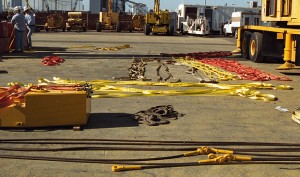 We often find that new rigging arriving for a quality check is actually only a count to ensure the quantity ordered matches the quantity delivered. However, an initial inspection is the most important thing you can do to protect your investment. Not only does it help set the stage for a good periodic inspection, it helps protect the company’s bottom line against having to dispose of gear needlessly due to issues that could have been identified BEFORE the gear was placed in service and helps to safeguard against potential accidents due to manufacturing defects or incorrect shipments. We have seen it all with regards to initial inspections, so lets look at some real life situations that can teach us a thing or two about this step in the life of your rigging gear. (more…)



 As the world celebrates St. Patrick’s Day this week, Crane Tech wanted to remind you that relying on the luck of the Irish to keep your lifting operations safe may not be the best course of action. Instead we invite you to consider what your operators bring to the table. After all, a good mobile crane operator can make the difference in having good fortune or your luck running out.
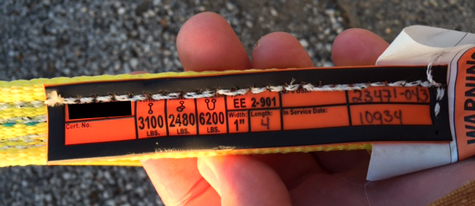 We will start the story with the US sling manufacturer that markets themselves (according to their website) as “one of the leading brands of synthetic slings…that uses better quality materials, better consistency in manufacturing and better quality controls.” So why then when our instructor looked at the sling tag, he was quickly able to determine that there was no mark to identify the sling material? Making the sling non-compliant with Federal and ASME requirements that state the sling must be marked to show the type of synthetic web material.