


Eric Glaubius didn’t necessarily want to follow in his father’s foot steps and be a crane operator. After five years of working on sites as an oiler, rigger, doing assembly/disassembly and driving pile, it was time… but Eric’s father didn’t make it easy on him. Eric actually had to take a cut in pay to go to work with his father and start learning how to operate. The rest, as they say, is history.
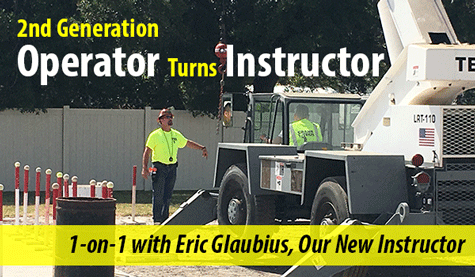
Now after 18 years of operating, and 14 years of those with his NCCCO certification, Eric is ready to get out of the seat and take a stand as Crane Tech’s newest instructor. To get to know Eric better, our marketing manager sat down with him, here’s a synopsis of what ensued.
Tell me a little about your operating experience.
After I started working with my father we were building bridges, driving lots of pile, running friction cranes. As time progressed, so did my experience. I’ve done a wide range of hook work on all types of cranes – probably everything except tower cranes. However, one of the things I am proudest of is my extensive pile driving experience in both normal and usual situations. For example after Hurricane Katrina I was part of the team that was  called in to help build a new levy to help impede flood waters from New Orleans and the surrounding areas in the future. On this particular job, we could not access one side of the site due to property line restrictions and it called for a unique battering formation with the fixed leads battered away from the crane, where normally you would batter towards the crane.
Why did you decide it was time to make the change to instructing?
I’ve always had a passion for safety and acting as professional within my field, I’ve had to make some tough calls and as a result I have earned respect and trust of many project superintendents. I want to work with people who want quality over quantity, not over looking safety for the sake of getting the job done. I believe that safety is always the right choice, even if you have to err on the side of caution. I want to be part of the education process to make sites better and by having the opportunity to teach people I am hoping to help do that.
Tell me more about a time you had to make a difficult call.
During my career I have refused to make a lift on more than one occasion, but one time stands out and I believe has helped further my reputation as being a professional operator. After only operating for about 5 years, I was working on an elevated expressway and the contractor wanted to set up a 500 ton Demag AC-1300 on a small back filled jetty on a river bank. I refused the lift explaining that the expanded bank was too small and had not been properly compacted, giving them the option to remedy the situation. They expanded the area and added fill dirt, but without proper compaction. As I started to move the crane into place and add the counterweight, it started sinking into the soil. I refused the lift again based on the improper ground conditions. They went back, removed, re-filled, re-compacted the soil and after the project had been delayed for several weeks; they finally found another operator who would do the lift.
Whether you consider it a successful lift, it depends on your perspective. Yes, the lift was performed and the crane did not end up in the river, but after the fact there as a 6-8” depression under the 8×8 steel crane mats and 1” cracks in the soil radiating from around the crane, many people on site said they just got lucky on that lift. I can guarantee that by me holding true to that call, I earned respect and formed relationships and have been called for other jobs because of it. For those who are afraid to make that kind of call, I can tell you this, finding the next job is much easier when you refused the lift than when you flipped the crane or had a fatality.
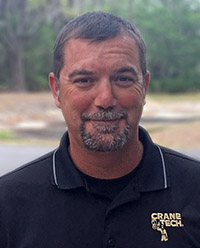
Please join us in welcoming Eric to the Crane Tech team. We are excited for our clients to get to work with him. However before that happens, Eric will be working with our current instructors and management to learn our standards for teaching and what it means to be a Crane Tech instructor. Remember Safety through Education is more than just our motto, it is our guiding principle—and our intensive instructor training process is just one example of how we embed this principle in our organization.




Not making the lift with the 500T demag was the right call! Glad that you’ve got backbone.
Thank you Mark. Hope to encourage future operators to make the right call when they’re faced with short cuts or unsafe practices.
You gamble with safety, you bet with your life!
HI Eric, I agree with you 100% for refusing to do the lift, as I always said to our operator do not be afraid to refuse the lift if you have any doubt.