



 For you old timers out there, how many of you can still work out like you did when you were in your twenties? If you have to lift something heavy, do something strenuous, or perform a repetitive motion, chances are you are going to feel it the next day (and maybe for a few days). While we don’t come with a stated design factor (DF) or working load limit (WLL), one of the wonderful things about our bodies, is that with time, they will most likely heal themselves from any stress, even if we push it to our breaking strength.
Now let’s look at a sling. We know that slings are tagged with a WLL according to the hitch type, but intrinsically we also know that they have been manufactured with a 5:1 design factor. So maybe instead of going and getting the sling really needed for the 12,000 lb lift the rigger just calculates that the sling with 10,000 lbs WLL will be fine because it has a 5:1 design factor. While this is a violation of the law, we know it happens. Now as time goes on, the rigging gets older. It is thrown in the back of the truck, damaged by UV rays, gets dirty, rubs against an edge or two, maybe gets run over on the site a few times or is just plain overloaded either by too heavy a load or improper sling
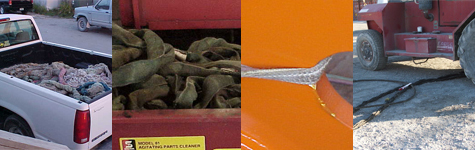 angles time and time again. Unlike our bodies, slings cannot heal themselves, they just keep absorbing stress and breaking down little by little, until ultimately the sling will fail and sometimes well below the working load limit.
It’s important to note, the WLL and DF never change—what changes is the sling’s breaking strength—reducing with each lift or damaging incident and considerations for the accumulation of degradation must be made, short of any one item meeting a stated rejection criteria. So maybe what should be proposed is that design factors shouldn’t be taught, because why does it matter to the rigger? It is NOT permission to push the sling a little bit further. It is NOT permission to be unsafe—it is manufactured into the design of the sling to HELP KEEP YOU SAFE.
Maybe instead of such a drastic proposal, we should reiterate a common sense approach of a diligent inspection program (pre-use, periodic, annual), proper use to reduce wear (i.e. softeners, proper D/d ratios and sling angles), and storage it in a manner to keep it from further damage (out of elements, hung up, away from environmental concerns).
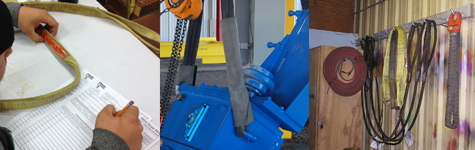
So don’t get caught thinking your body or your slings have more strength than they actually have; instead, be smart and keep yourself and your slings safe and in good condition. Be prepared to remove slings from service before they become a hazard—keeping your coworkers and yourself out of harms way so that when you are ready to remove yourself from service you will be able to enjoy retirement with some service life expectancy left.
Need to brush up proper rigging techniques or rigging inspection skills? Our courses can help you learn how to be successful in keeping your slings (and your body) safe.